Category: Health & Fitness

How Dispensary Cannabis Supports Local EconomiesHow Dispensary Cannabis Supports Local Economies

Over the past decade, cannabis has evolved from a controversial topic to a booming industry, reshaping communities and economies alike. Beyond its health and wellness applications, dispensary cannabis has become a powerful driver of local economic growth — providing jobs, generating tax revenue, and fueling small business opportunities. But how exactly does this plant-based industry impact local economies, and why is it more than just a trend?

Creating Jobs and Boosting Employment

One of the most immediate and visible benefits of dispensary cannabis is job creation. From cultivation and processing to retail and delivery, the cannabis industry requires a wide range of skilled and semi-skilled workers. Licensed dispensaries employ budtenders, managers, security staff, and marketing professionals, while cultivation facilities create opportunities for horticulturists, technicians, and logistics personnel.

For many communities, particularly those hit hard by unemployment or economic downturns, the cannabis sector offers stable, year-round employment. According to industry reports, a single dispensary can employ dozens of local workers, while larger cannabis operations can provide hundreds of jobs in regions that previously had limited employment opportunities.

Supporting Small Businesses and Entrepreneurs

Dispensary cannabis doesn’t just create jobs; it fosters entrepreneurship. Many dispensaries are locally owned and operated, providing opportunities for small business owners to thrive in a regulated market. Additionally, ancillary businesses — from marketing agencies and security firms to packaging companies and delivery services — benefit directly from the growing demand for cannabis products.

This ripple effect strengthens local economies by circulating money within the community. Unlike industries where profits are funneled to corporate headquarters or international investors, dispensary cannabis often keeps revenue closer to home, encouraging sustainable growth.

Generating Tax Revenue for Communities

Perhaps the most tangible economic benefit of dispensary cannabis is its ability to generate tax revenue. In states where cannabis is legal, sales taxes, excise taxes, and licensing fees contribute significant funds to local and state governments. These revenues are often earmarked for public programs, including education, healthcare, infrastructure, and community development initiatives.

For example, some municipalities use cannabis tax revenue to fund after-school programs, improve parks, or support mental health services. This creates a cycle of community reinvestment, where dispensaries near me sales directly benefit residents and neighborhoods.

Revitalizing Commercial Areas

Dispensary cannabis also has a noticeable impact on local commercial real estate. Opening a licensed dispensary can revitalize underutilized spaces, attract foot traffic, and stimulate surrounding businesses. Coffee shops, restaurants, and retail stores near dispensaries often see increased customer engagement, creating a thriving local ecosystem.

In many cities, dispensary clusters contribute to the revitalization of neighborhoods that were previously economically stagnant, transforming them into hubs of commerce and activity. This urban renewal effect is an often-overlooked benefit of the cannabis industry.

Encouraging Tourism and Local Spending

Cannabis tourism is another growing economic driver. Visitors travel to regions where dispensary cannabis is legal, spending money on lodging, dining, transportation, and local attractions. This influx of tourism dollars boosts local hospitality industries and helps small businesses that may have struggled otherwise.

Dispensaries themselves become destinations, offering educational experiences, product sampling, and community events that draw curious visitors. In this way, cannabis doesn’t just support the economy—it also helps put local communities on the map.

Long-Term Economic Growth and Sustainability

The cannabis industry is still in its early stages, and its full economic potential is only beginning to emerge. By providing jobs, supporting small businesses, generating tax revenue, and attracting tourism, dispensary cannabis contributes to long-term, sustainable economic growth. Communities that embrace regulated cannabis markets often see a boost in local investment and infrastructure, creating a positive cycle that benefits residents, entrepreneurs, and local governments alike.

Final Thoughts

Dispensary cannabis is more than a wellness product — it’s an economic engine. From creating employment opportunities and supporting entrepreneurs to revitalizing neighborhoods and funding community programs, the industry’s impact goes far beyond the dispensary counter.

As more regions recognize the economic benefits of legalized cannabis, communities are discovering that this once-stigmatized plant can be a powerful catalyst for growth, prosperity, and sustainable development. For local economies, dispensary cannabis isn’t just a business—it’s a vibrant contributor to community vitality.
The Grandness Of Available And Inexpensive Healthcare For Everyone: A Material Step Towards BuildingThe Grandness Of Available And Inexpensive Healthcare For Everyone: A Material Step Towards Building

Healthcare is one of the most indispensable aspects of any bon ton, performin an requirement role in the well-being of individuals and the overall successfulness of a . Access to tone health care is a fundamental human being right that ensures that populate have the opportunity to live long, sound, and productive lives. However, millions of people around the earthly concern still face substantial barriers to receiving passable health care, ranging from high and lack of insurance to limited access to medical checkup facilities and services. As we move forward in the 21st century, it is imperative mood that we work toward creating a healthcare system of rules that is not only affordable but also accessible to all, regardless of income, locating, or mixer status.

The rising cost of thelondonneurocognitiveclinic.co.uk/service/adhd care has become a pressing write out in many countries, particularly in improved nations where the demand for medical checkup services continues to step-up. For many individuals, the cost of policy premiums, prescription medications, and checkup treatments can be overwhelming, often leaving them with defiant choices between profitable for healthcare and other requisite needs, such as food, living accommodations, and training. This commercial enterprise stress can lead to individuals delaying or renunciation necessary medical checkup care, consequent in worse health conditions and a higher burden on the healthcare system in the long run. In some cases, this even leads to preventable diseases or premature deaths, further exasperating the trouble.

Another considerable take exception is the lack of access to healthcare facilities, especially in geographic area and underserved areas. Many populate bread and butter in remote control or low-income regions often face long distances to the nighest hospital or , which can prevent them from quest timely medical examination aid. The deficit of health care professionals in these areas further compounds the cut, as there may not be enough doctors, nurses, or specialists to meet the needs of the universe. In such regions, individuals may have to rely on overburdened suite or make do with minimum care, which can lead to poorer health outcomes. Governments and organizations need to prioritise health care infrastructure in these underserved areas to ensure that everyone, regardless of where they live, has access to high-quality medical exam services.

In summation to up access, it is material to turn to the overall tone of care provided by health care systems. A focalise on preventative care, wellness education, and the reduction of health disparities can go a long way in rising world wellness outcomes. Preventive care, such as routine screenings, vaccinations, and life style guidance, can help diseases early, tighten the risk of complications, and turn down health care costs in the long term. By investing in world health programs that kick upstairs sound livelihood and health, societies can tighten the burden of degenerative diseases like , spirit disease, and obesity, which are on the rise in many parts of the world.

Furthermore, up health care should not just be about providing medical treatment when people fall ill; it should also necessitate addressing the root causes of poor wellness, such as poverty, lack of training, and state of affairs factors. These mixer determinants of wellness often have a substantial impact on an individual s ability to stay sound and access the care they need. By tackling these issues, governments and healthcare providers can create a more holistic approach to health that goes beyond plainly treating disease and works toward creating an where people can flourish.

In termination, ensuring that healthcare is accessible, low-cost, and of high timber for everyone is an requisite step in building a better and more lucky high society. The challenges of rise costs, limited get at, and disparities in care must be self-addressed through systemic reforms, better healthcare substructure, and a focalize on bar and breeding. Only through collective sue and to up health care for all can we hope to produce a hereafter where everyone has the chance to live a healthy life.

From Trauma To Triumph How A Planetary Community Is Turn Suffering Into PotencyFrom Trauma To Triumph How A Planetary Community Is Turn Suffering Into Potency


In a world often outlined by division, , and precariousness, the human capacity for resilience continues to shine through the darkest of times. Across continents, individuals and communities who have endured trauma whether through war, displacement, cancel disasters, or subjective loss are transforming their pain into purpose. The journey from psychic breaking the cycle of pain to wallow is neither simpleton nor western fence lizard, but it is profoundly right. It demonstrates how pity, shared out understanding, and -driven initiatives can turn suffering into effectiveness, creating hope for a better and more integrated world.

Trauma, by its nature, isolates. It fractures the sense of refuge and belonging that world reckon on. Yet, paradoxically, it is within the shared out experience of pain that populate often rediscover connection. Around the world, communities have begun to embrace the idea that healthful does not happen in purdah but through solidarity. From grassroots movements in infringe-torn regions to online support groups uniting survivors across borders, individuals are proving that collective empathy can be a for shift. This maturation worldwide web of resiliency is changing how we think about retrieval not as a solitary confinement mount but as a distributed ascension.

In regions devastated by conflict, for exemplify, survivors are rebuilding not only their physical surroundings but also their emotional landscapes. In post-war zones, topical anaestheti organizations are empowering victims of force through breeding, therapy, and economic opportunities. These initiatives often focalize on restoring representation to those who once felt helpless. Women who have endured sex-based force are scholarship new skills and becoming advocates for others. Former child soldiers are determination public security through art, music, and storytelling. By reclaiming their narratives, survivors are revising their identities not as victims, but as leaders and healers.

Technology has played an helpful role in connecting trauma survivors world-wide. The integer age has given rise to realistic communities where people can partake in their stories and access support regardless of geography. Social media, online therapy platforms, and mental health forums have become lifelines for many. What once needed physical proximity can now be achieved through digital solidarity. Survivors of natural disasters in Asia can find and advice from those who lived through synonymous experiences in the Americas or Africa. This interconnectedness fosters a sense of belonging that transcends national and perceptiveness boundaries, reminding us that resilience is a universal terminology.

Art, too, has emerged as a profound fomite for therapeutic and transformation. Across cultures, creative verbalism provides a safe quad for processing pain and reimagining the time to come. Community art projects, theatre groups, and medicine collectives have sprung up in refugee camps and post-crisis communities, offer participants a substance to repossess their voices. Through picture, trip the light fantastic toe, poetry, and film, survivors are not only expressing their grief but also celebrating their survival. The act of world turns woe into something meaty a symbolization of defiance against despair. Art connects people to their emotions and to one another, edifice Bridges where psychic trauma once stacked walls.

Equally key is the rise of psychic trauma-informed education and leadership. Teachers, leaders, and policymakers are recognizing that psychic trauma shapes demeanour, encyclopedism, and relationships in unplumbed ways. In reply, schools and workplaces are adopting approaches that prioritise empathy and emotional intelligence. These environments encourage individuals to heal and grow without dishonour or stigma. When stallion systems recognize psychic trauma and advance compassion, they make ruffle effects of sympathy that can transmute societies. The worldwide about mental wellness once soft or stigmatized is now a telephone exchange part of how communities fancy get on.

One of the most inspiring aspects of this transmutation is how survivors themselves are becoming changemakers. Many who have tough deep loss are now leadership initiatives to keep others from woe the same fate. Former refugees have based organizations to aid displaced families. Survivors of house servant violence are formation policies to protect others. Victims of natural disasters are development sustainable solutions for hereafter crises. Their lived undergo grants them authenticity and sixth sense that no academician grooming can replicate. They stand as livelihood proofread that even in the backwash of unthinkable pain, new life can take root.

The world s response to psychic trauma is also being oil-fired by technological and discernment shifts. Research in psychology and neuroscience has gathered our understanding of how psychic trauma affects the nous and body and, more significantly, how healthful occurs. Practices such as heedfulness, yoga, and trauma-informed therapy are gaining traction world-wide, often organic with orthodox remedial practices from Indigenous cultures. This blending of science and spiritualty acknowledges that recovery is holistic, close mind, body, and spirit. As these practices spread out, they reinforce a collective impression that therapeutic is not only possible but transformative.

Ultimately, the social movement from trauma to triumph is a write up of reclaiming power. It is about turn vulnerability into courageousness, pain into purpose, and closing off into community. The world web of survivors, advocates, and healers continues to expand, offering a draught for resilience in an age of upheaval. Through shared strength and empathy, human beings is learning that every wound carries within it the possibleness of soundness and growth. Our capacity to rise from suffering does more than restitute it redefines what it substance to prosper.

The path from trauma to rejoice is not linear, nor is it single. Yet, as the stories of millions intertwine, a new story emerges one not focused on loss, but on replenishment. It is a will to the never-say-die human inspirit and to the world power of connection. As this global continues to rise, it reminds the world that even the deepest scars can become symbols of strength. From divided up pain comes divided up power, and from that power, the call of a more sympathize with, resilient world.

The Rise of Medical Beauty: How Innovation and Self-Care Are Changing AestheticsThe Rise of Medical Beauty: How Innovation and Self-Care Are Changing Aesthetics

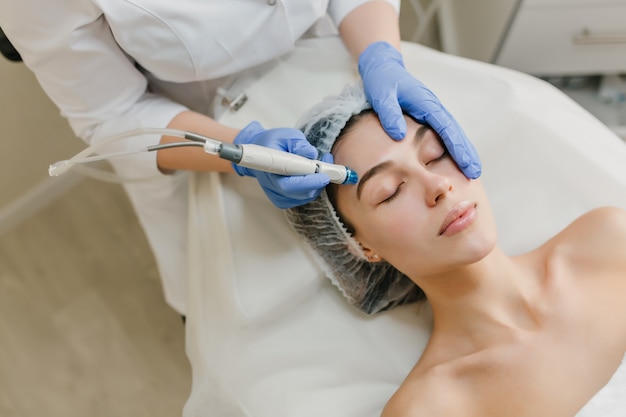
In recent years, the beauty industry has undergone a profound transformation. The traditional notion of beauty—often defined by flawless skin, youthful features, and ideal proportions—has expanded to embrace new technologies and techniques that allow individuals to enhance their appearance in more customized and effective ways. This evolution has given rise to medical beauty, a rapidly growing sector that merges medical science with cosmetic enhancement. From non-invasive treatments to cutting-edge skin therapies, medical beauty offers individuals the chance to improve their appearance in ways that were once reserved for the elite or required invasive procedures.

But what exactly does medical beauty entail, and how has it reshaped the beauty landscape? In this article, we will explore the world of medical beauty, its key treatments, the benefits it provides, and why it’s becoming such a popular choice for self-care in the modern age.

What Is Medical Beauty?

Medical beauty, often referred to as aesthetic medicine, encompasses a wide range of minimally invasive and non-surgical procedures that focus on enhancing a person’s physical appearance. These treatments can address various concerns such as wrinkles, skin texture, pigmentation, body contours, and even hair loss. Unlike traditional beauty treatments (like facials or makeup), medical beauty involves more specialized, scientifically-backed procedures often administered by licensed professionals, such as dermatologists, cosmetic surgeons, or trained medical aestheticians.

The hallmark of medical beauty is that it combines medical knowledge with cosmetic enhancements, ensuring that treatments are both effective and safe. With the rise of non-invasive options, more people are turning to medical beauty to achieve aesthetic goals without the need for traditional surgeries like facelifts or liposuction.

Why Medical Beauty Is Gaining Popularity

Medical beauty treatments have skyrocketed in popularity for several reasons. These factors have made them a desirable option for individuals seeking to enhance their appearance:

1. Non-Surgical Alternatives to Cosmetic Surgery

In contrast to traditional surgical procedures, medical beauty offers minimally invasive or non-invasive alternatives that come with fewer risks, reduced recovery times, and lower costs. For example, Botox, dermal fillers, and laser treatments offer clients noticeable results without the need for general anesthesia, incisions, or long recovery periods. The appeal of these less invasive options is clear: they offer a way to look younger, fresher, or more sculpted without the commitment of surgery.

2. Personalization and Customization

One of the greatest advantages of medical beauty is its highly personalized nature. Unlike one-size-fits-all beauty treatments, medical beauty procedures are tailored to the specific needs of each client. A dermatologist or medical professional will assess the individual’s skin type, concerns, and goals before recommending a personalized treatment plan. Whether it's Botox for wrinkle reduction, laser treatments for pigmentation, or fillers for volume restoration, medical beauty focuses on delivering results that align with each person's unique features.

3. Quick and Convenient Results

Time is precious, and many individuals today are looking for treatments that fit into their busy lifestyles. Most medical beauty procedures are quick—often requiring little to no downtime. For instance, Botox and dermal fillers can be administered in under an hour, allowing clients to go back to their daily routines immediately. Similarly, laser treatments and chemical peels can show results in a short amount of time with minimal recovery, making them ideal for people with hectic schedules.

4. Long-Lasting Effects

Many non-surgical procedures offer results that last from several months to over a year, depending on the treatment. Botox can last around 3 to 6 months, while dermal fillers can provide youthful volume for up to 18 months. Additionally, treatments like CoolSculpting can lead to permanent fat reduction, providing a long-term solution for body contouring. With such long-lasting effects, clients are often able to achieve desired results with fewer follow-up treatments, making medical beauty both cost-effective and time-efficient.

Popular Medical Beauty Treatments

The field of medical 脫疣療程 is vast, with a wide range of treatments designed to address different cosmetic concerns. Below are some of the most popular treatments that have helped redefine the beauty industry:

1. Botox and Neurotoxins

Botox is one of the most famous and widely used injectable treatments in the medical beauty industry. It works by temporarily paralyzing the muscles that cause wrinkles, resulting in smoother, more youthful skin. Botox is commonly used to treat fine lines around the eyes (crow’s feet), forehead lines, and between the eyebrows (frown lines). Other neurotoxins like Dysport and Xeomin offer similar results.

2. Dermal Fillers

Dermal fillers are injectable substances used to restore volume and smooth out wrinkles. As we age, we lose fat and collagen in areas of the face, leading to sagging or hollowing of the skin. Dermal fillers can help reverse these effects by adding volume to the cheeks, lips, and under-eye areas, as well as smoothing out lines around the mouth and nose. Popular fillers include hyaluronic acid-based products like Juvederm and Restylane, which offer natural-looking, long-lasting results.

3. Laser Treatments

Lasers have revolutionized the way we treat skin imperfections. Various types of laser treatments can target specific skin concerns:

  • Fractional Laser Resurfacing: Used to treat skin texture issues, fine lines, and acne scars, fractional lasers stimulate collagen production and encourage skin renewal.
  • Laser Hair Removal: A highly effective way to permanently reduce unwanted hair, laser hair removal uses intense light to target and destroy hair follicles, preventing future growth.
  • Pigmentation Treatments: Lasers can also treat uneven skin tone, age spots, and hyperpigmentation by targeting the melanin in the skin, resulting in a clearer, more uniform complexion.

4. Chemical Peels

Chemical peels are designed to exfoliate the skin by removing the outermost layers of dead skin cells, encouraging the regeneration of healthier skin. This treatment can be used to treat a range of issues such as acne, hyperpigmentation, fine lines, and dull skin. Depending on the strength of the peel, it can range from superficial (for mild skin concerns) to deep (for more severe issues like scarring).

5. Microneedling

Microneedling, also known as collagen induction therapy, uses tiny needles to create controlled micro-injuries in the skin, stimulating collagen and elastin production. It is often used to improve the appearance of acne scars, stretch marks, and fine lines. Microneedling can also enhance the absorption of skincare products, allowing for better results when used alongside topical treatments.

6. Non-Surgical Fat Reduction

Non-invasive fat reduction treatments like CoolSculpting and SculpSure target localized fat deposits by using cooling or heat to break down fat cells. Over time, the body naturally eliminates these fat cells, leading to a slimmer, more contoured physique. These treatments are ideal for individuals who are close to their goal weight but struggle with stubborn areas of fat.

The Benefits of Medical Beauty

Beyond the immediate cosmetic improvements, medical beauty treatments offer several other advantages:

  • Minimal Risk: As these procedures are non-invasive or minimally invasive, the risk of complications is lower than that associated with traditional cosmetic surgery.
  • Natural Results: Skilled practitioners focus on enhancing natural features rather than altering them, allowing clients to look refreshed and youthful without the “overdone” appearance.
  • Boost in Confidence: Many individuals seek medical beauty treatments not just for aesthetic reasons but for the emotional boost they provide. The improvements in appearance can significantly enhance self-esteem and overall well-being.

The Future of Medical Beauty

The future of medical beauty is poised for even greater innovation, thanks to advances in technology, biotechnology, and personalized medicine. With the increasing demand for non-surgical treatments, the industry is likely to continue evolving toward more effective and accessible options. For example, AI-driven tools could soon be used to create highly personalized treatment plans, while new technologies may enable even faster, more precise results with fewer side effects.

Conclusion

Medical beauty has revolutionized how we approach self-care and aesthetic enhancement. Offering a wide range of non-invasive and minimally invasive treatments, it provides individuals with effective, safe, and long-lasting solutions to enhance their natural beauty. Whether you're looking to smooth wrinkles, sculpt your body, or rejuvenate your skin, the world of medical beauty offers countless options to help you achieve your aesthetic goals. With its growing popularity, medical beauty is poised to remain at the forefront of the beauty industry for years to come, enabling people to feel confident and empowered in their skin.

How to Find Emergency Dentists in Thunder BayHow to Find Emergency Dentists in Thunder Bay

When you face a dental emergency in Thunder Bay, knowing how to find the right help quickly can make all the difference. Start by evaluating the urgency of your situation, as this will guide your search for an emergency dentist. With numerous options available, it’s crucial to know where to look and what to take into account. Let’s explore some effective strategies to guarantee you receive the care you need promptly.

Key Takeaways

  • Search online using terms like “emergency dentist Thunder Bay” to find local options quickly.
  • Read online reviews to gauge service quality and patient experiences at different dental practices.
  • Check dentist websites for their hours, services offered, and emergency care specializations.
  • Utilize local resources like libraries or health clinics for additional listings of emergency dental services.
  • Contact your regular dentist for recommendations and potential after-hours guidance during emergencies.

Understanding Dental Emergencies

When you experience a dental emergency, it’s essential to recognize the signs so you can act quickly. Common dental emergencies include severe toothaches, knocked-out teeth, broken or cracked teeth, and infections.

Symptoms to watch for are intense pain, swelling, bleeding, or difficulty swallowing. Ignoring these issues can lead to more severe complications, so don’t hesitate to seek help.

Assessing the Urgency of Your Situation

How do you determine if your dental issue requires immediate attention? Start by evaluating pain levels; if it’s severe or persistent, it’s a sign you need help.

Next, identify symptoms such as swelling, bleeding, or difficulty swallowing. These can indicate a more serious problem requiring urgent care. Don’t ignore signs of infection or trauma; acting quickly can prevent complications.

Searching for Emergency Dentists Online

What’s the quickest way to find an emergency dentist when you’re in pain? Start by searching online. Use keywords like “emergency dentist Thunder Bay” to find local options.

Pay attention to online reviews; they can provide valuable insights into the quality of Fillings at the Dentist Thunder Bay services and patient experiences. Look for dentists with high ratings and positive feedback regarding their emergency care.

Don’t hesitate to check their websites for information about hours, services offered, and any specializations. This approach will help you narrow down your choices and find a dentist who can address your urgent needs promptly and effectively.

Utilizing Local Resources and Directories

After you’ve searched online for emergency dentists, consider tapping into local resources and directories. Local directories can provide valuable information about dental practices that may not appear in your online searches.

Check community resources like libraries or health clinics, as they often have listings or flyers for emergency dental services. You might also find contact information for local dental associations, which can guide you to reliable practitioners.

Don’t hesitate to reach out to these resources; they’re there to help you get the care you need. Utilizing these tools can make your search much easier and more effective.

Asking for Recommendations From Friends and Family

While online searches can yield a plethora of options, asking friends and family for recommendations can provide you with trustworthy insights into emergency dentists.

Friend referrals often lead to reliable choices, as your loved ones have firsthand experiences to share. They can highlight the quality of care, office environment, and staff professionalism.

Family advice also helps narrow down your options, ensuring you consider dentists who are well-regarded within your community.

Contacting Your Regular Dentist for Guidance

If you’re facing a dental emergency and don’t know where to turn, reaching out to your regular dentist can be a smart move. They’re familiar with your dental history and can provide valuable dental advice tailored to your situation.

Even if they can’t offer immediate emergency services, they can recommend trusted local emergency dentists who can help. Don’t hesitate to call their office; they may have an after-hours service or be able to guide you on what to do until you receive treatment.

Your regular dentist’s insight can make a significant difference in managing your emergency effectively.

Knowing What to Expect During Your Visit

When you arrive at an emergency dentist’s office, you can expect a thorough evaluation of your condition right away. The dentist will assess your symptoms and discuss your medical history to understand the urgency of your situation.

Based on this evaluation, they’ll explain the treatment procedures available and what you can expect during your visit. It’s normal to feel anxious, but rest assured that the staff is trained to help ease your worries.

Conclusion

Finding an emergency dentist in Thunder Bay doesn’t have to be overwhelming. By evaluating your situation, searching online, and utilizing local resources, you can quickly locate the care you need. Don’t hesitate to ask friends or family for recommendations, and check in with your regular dentist for guidance. Remember, it’s important to act promptly to address dental emergencies and guarantee your comfort and health. You’re taking the right steps toward relief and recovery!