Author: Millermarker

Women’s Healthcare: The Key to Intimate Wellness and ConfidenceWomen’s Healthcare: The Key to Intimate Wellness and Confidence

Women’s healthcare extends beyond routine medical check-ups—it includes intimate wellness, an essential yet often ignored aspect of overall health. Many women experience vaginal infections, dryness, discomfort, and unwanted odors, but due to embarrassment or misinformation, these issues often go unaddressed. 私密處清潔.

Maintaining good intimate hygiene is crucial for preventing infections, reducing irritation, and ensuring comfort. The right care routine, combined with safe and effective products, can make all the difference in a woman’s well-being.

Common Intimate Health Issues and Their Causes

Several factors can disrupt a woman’s intimate health, including hormonal imbalances, improper hygiene, stress, or the use of harsh products. Some of the most frequent concerns include:

Bacterial Vaginosis (BV) – An imbalance of vaginal bacteria leading to odor and irritation.

Yeast Infections – Caused by fungal overgrowth due to excess moisture or weakened immunity.

Vaginal Dryness – Often linked to hormonal changes, medications, or menopause.

Sensitive Skin & Discomfort – Caused by synthetic fabrics, harsh soaps, or tight clothing.

By using gentle, pH-balanced products and maintaining proper hygiene, women can prevent and manage these concerns effectively.

Who Care Face: Trusted Intimate Care Solutions

Who Care Face is dedicated to women’s intimate health, offering dermatologist-approved, pH-balanced, and chemical-free products that help women feel fresh, comfortable, and confident.

Best-Selling Feminine Care Products from Who Care Face

Mild Intimate Wash – Cleanses gently while preserving natural pH balance.

Cranberry Probiotic Supplements – Supports a healthy vaginal microbiome.

Hydrating Gel for Dryness Relief – Provides soothing moisture and comfort.

Odor-Control Mist – Ensures freshness throughout the day.

All products are free from harsh chemicals and safe for daily use, making them ideal for maintaining long-term intimate health.

Simple Tips for Maintaining Intimate Hygiene

Use a pH-balanced feminine wash instead of regular soaps.

Wear breathable cotton underwear to keep moisture levels balanced.

Stay hydrated and consume probiotic-rich foods for vaginal health.

Avoid douching, as it disrupts the natural bacterial balance.

Breaking the Stigma Around Women’s Intimate Health

Many women suffer in silence when it comes to intimate health issues. Who Care Face aims to educate, empower, and provide effective solutions that help women take charge of their well-being with confidence.

Conclusion

Women’s intimate health is a vital part of overall wellness. With Who Care Face, achieving freshness, comfort, and confidence has never been easier. Prioritizing intimate care is not just about hygiene—it’s about self-care, empowerment, and embracing a healthier lifestyle.

A Complete Guide to Interior Design and Decoration for Every HomeA Complete Guide to Interior Design and Decoration for Every Home

When it comes to interior design and decoration, the possibilities are endless. Every room offers unique opportunities to showcase your personal style while ensuring comfort and functionality. Whether you're designing a cozy apartment or a spacious family home, the key is balancing aesthetics with practicality.

In this comprehensive guide, we'll walk you through the fundamentals of interior design, provide helpful room-by-room decoration ideas, and share the latest trends to help you create the home of your dreams.

1. What is Interior Design and Decoration?

Interior design and decoration are often used interchangeably, but there are key differences. Interior design is a holistic approach to creating a functional and aesthetically pleasing environment, taking into account layout, furniture, lighting, and color. It’s about crafting a cohesive and well-planned space that aligns with the way people live and interact with their surroundings.

Interior decoration, on the other hand, focuses on the visual and aesthetic aspects of a space. It involves choosing and arranging furniture, textiles, colors, and accessories to enhance the look of a room. While interior design is more comprehensive, interior decoration is focused on beautifying existing spaces.


2. The Core Principles of Interior Design

A successful interior design project follows a few basic principles that ensure the space is balanced, harmonious, and visually appealing. These principles include:

  • Balance: Achieving balance in design refers to the distribution of visual weight in a space. You can achieve balance through symmetrical arrangements, asymmetrical layouts, or radial designs.

  • Proportion and Scale: Furniture and decor should be scaled to the room size. Too large or too small furniture can throw off the room’s proportions. The right scale helps create a sense of harmony.

  • Rhythm: Rhythm in design is achieved through repetition, progression, or transition. This could mean using repeating patterns or colors to lead the eye through the space.

  • Contrast: Contrast creates visual interest. Combining dark and light shades, smooth and rough textures, or complementary colors can make a room stand out.

  • Unity: Unity means creating a cohesive, connected look. All elements in the space should complement each other and contribute to the overall design theme.


3. Top 店舖設計 Styles

Your home can reflect your personality through its design style. Here are some of the most popular interior design styles:

  • Minimalist: This style focuses on simplicity, clean lines, and neutral colors. It often features functional, streamlined furniture and an emphasis on decluttered spaces.

  • Contemporary: Contemporary design constantly evolves to reflect current trends. It often combines elements of modern design with softer, more organic touches.

  • Traditional: This style embraces classic design elements like ornate furniture, elegant fabrics, and timeless color palettes. It often incorporates antiques and luxurious finishes.

  • Industrial: Inspired by urban lofts and factories, the industrial style celebrates raw materials like exposed brick, steel beams, and reclaimed wood. It has a rugged, edgy feel.

  • Scandinavian: Known for its simple, functional approach, Scandinavian design features light wood tones, clean lines, and cozy textiles. The focus is on creating a bright and inviting atmosphere.

  • Bohemian: Boho design is free-spirited and eclectic, with a mix of bold colors, textures, and patterns. It combines vintage, global, and contemporary elements to create an effortless, lived-in look.


4. Room-by-Room Decorating Ideas

Each room in your home has unique requirements and functions. Here’s how to approach decorating them:

  • Living Room: This is where you'll likely spend most of your time, so it should be both stylish and comfortable. Start with a focal point like a fireplace or a large piece of artwork, then arrange your seating to promote conversation. Use accent pieces like cushions, throws, and rugs to introduce texture and color.

  • Kitchen: The kitchen is the heart of the home. Opt for cabinetry that maximizes storage and select countertops that are both durable and easy to clean. Install task lighting over cooking areas, and consider a bold backsplash to add character.

  • Bedroom: Your bedroom should feel like a sanctuary. Choose a comfortable bed as the focal point and build around it with cozy textiles like bedding, pillows, and throws. Soft, calming colors such as pastel blues or warm neutrals create a peaceful atmosphere.

  • Bathroom: A stylish bathroom is not just about looks but functionality. Choose fixtures and tiles that are easy to clean, and maximize storage with sleek vanities and shelving. Consider adding plants to bring in a natural touch.

  • Home Office: A well-designed home office can boost productivity. Invest in a comfortable ergonomic chair and a spacious desk. Use plenty of natural light and store essential items in organized cabinets or shelves to keep the space clutter-free.


5. Choosing the Right Color Scheme

Colors play a major role in shaping the atmosphere of a room. When selecting a color scheme, consider the following:

  • Warm Colors: Shades like red, orange, and yellow can create an energetic and inviting atmosphere. These are great for spaces like living rooms or dining rooms, where you entertain guests.

  • Cool Colors: Blues, greens, and purples evoke calm and tranquility. These shades are perfect for bedrooms and bathrooms, as they promote relaxation.

  • Neutral Colors: Grays, whites, and beiges are versatile and timeless. They provide a clean backdrop for other colors and allow you to experiment with bold accent pieces.

  • Accent Colors: Use pops of color in furniture, textiles, and artwork to create visual interest. Bright shades like teal, mustard yellow, or deep coral can be used sparingly to add character to neutral spaces.


6. Furniture: Finding the Perfect Pieces

Furniture selection is key to creating a functional and stylish home. Here are a few tips to consider:

  • Fit the Room: Ensure that the furniture you select is the right size for your space. Avoid overcrowding small rooms with bulky pieces and instead, look for scaled-down versions of essential furniture items.

  • Functionality: Prioritize functionality when selecting furniture, particularly for multi-purpose rooms. Consider pieces that offer storage or can serve multiple roles, like a sofa bed or an extendable dining table.

  • Comfort and Style: Choose furniture that not only looks good but is also comfortable. Upholstered pieces, such as sofas and chairs, should have soft, durable fabrics.


7. Lighting: Creating the Right Ambience

Lighting can drastically change the mood of a room. To create the perfect ambiance, incorporate three types of lighting:

  • Ambient Lighting: This is your general lighting that illuminates the entire room, such as overhead chandeliers or ceiling fixtures.

  • Task Lighting: Task lighting is focused on specific areas for work or hobbies, such as reading lamps, under-cabinet kitchen lights, or desk lamps.

  • Accent Lighting: Accent lighting highlights certain features, like artwork, plants, or architectural details. Wall sconces, track lighting, or picture lights can be used for this purpose.


8. Maximizing Small Spaces

Decorating small spaces presents a challenge, but there are many ways to make a room feel larger:

  • Use Light Colors: Lighter colors create the illusion of space. Opt for whites, light grays, or soft pastels to make a small room feel more open.

  • Multi-Functional Furniture: Choose furniture that serves more than one purpose. Fold-out desks, expandable tables, and storage ottomans are great options.

  • Vertical Storage: Use wall-mounted shelves or tall bookcases to keep the floor area clear and make the room feel less cluttered.


9. Sustainable and Eco-Friendly Design Choices

Sustainability is a growing trend in interior design. Here are some ways to create a more eco-friendly home:

  • Use Recycled Materials: Opt for furniture and decor made from reclaimed wood, recycled glass, or repurposed metal.

  • Energy-Efficient Lighting: Replace incandescent bulbs with energy-saving LED lights to reduce your carbon footprint.

  • Eco-Friendly Paints: Choose low-VOC or zero-VOC paints to improve indoor air quality and reduce your environmental impact.

  • Sustainable Fabrics: Look for fabrics made from organic cotton, hemp, or recycled polyester, which have a smaller environmental impact.


10. Conclusion: Bringing Your Vision to Life

Interior design and decoration are about more than just choosing furniture and colors; they are about creating a space that reflects your personality and serves your daily needs. With careful planning and a thoughtful approach, you can transform any space into a beautiful, functional home that inspires.

By following the tips and techniques outlined in this guide, you’ll be well on your way to designing a space that is both stylish and welcoming. Whether you’re tackling a full renovation or simply updating a room, remember that great design starts with a clear vision and attention to detail.

Exploring Urology: A Vital Medical Specialty for Urinary and Reproductive HealthExploring Urology: A Vital Medical Specialty for Urinary and Reproductive Health

Urology is a highly specialized branch of medicine that focuses on the diagnosis, treatment, and prevention of diseases and conditions related to the urinary tract and male reproductive system. This field addresses an array of concerns, from urinary infections and kidney stones to complex cancers of the kidneys, bladder, and prostate. Urologists are physicians who dedicate their careers to ensuring optimal health for patients of all ages by managing conditions affecting the urinary and reproductive organs.

In this article, we’ll take a closer look at the essential role of urology in modern healthcare, the most common conditions urologists treat, diagnostic techniques, and the various treatment options available.

What is Urology?

Urology is a medical discipline that deals with the urinary tract system, which includes the kidneys, ureters, bladder, and urethra, as well as the male reproductive system. This broad field encompasses both surgical and non-surgical treatments, ranging from relatively minor conditions to life-threatening illnesses such as cancers.

Urology is often divided into subspecialties based on the types of conditions treated. These include:

  1. General Urology: Deals with common issues such as urinary tract infections, kidney stones, and bladder problems.
  2. Pediatric Urology: Focuses on treating urinary and reproductive system issues in children.
  3. Urologic Oncology: Specializes in diagnosing and treating cancers of the urinary and reproductive systems.
  4. Female Urology: Concerns the diagnosis and treatment of urinary and reproductive issues in women, such as incontinence or pelvic organ prolapse.
  5. Male Reproductive Health: Addresses conditions affecting male fertility, erectile dysfunction, and other reproductive health concerns.
  6. Neuro-Urology: Focuses on how neurological disorders affect urinary function, such as in patients with spinal cord injuries or neurological diseases.

Common Conditions Treated by Urologists

Urology covers a wide spectrum of medical conditions. Below are some of the most prevalent issues urologists diagnose and treat:

1. Urinary Tract Infections (UTIs):

Urinary tract infections occur when harmful bacteria invade the urinary system, which can lead to inflammation and discomfort. UTIs are more common in women, but men can also be affected. Symptoms include painful urination, blood in the urine, and frequent urges to urinate. Urologists typically treat UTIs with antibiotics, and additional tests may be done if infections are recurring.

2. Kidney Stones:

Kidney stones are mineral and salt deposits that form in the kidneys and can be extremely painful when they obstruct the urinary tract. Urologists treat kidney stones through a combination of medical therapy, shockwave therapy, and sometimes surgery to remove larger stones. Drinking plenty of fluids and making dietary changes can help prevent future stones.

3. Bladder Cancer:

Bladder cancer is a type of cancer that forms in the tissues of the bladder, often presenting symptoms such as blood in the urine, frequent urination, or pelvic pain. Urologists typically diagnose bladder cancer through a combination of imaging tests, cystoscopy, and biopsy. Treatment may involve surgery, chemotherapy, or radiation, depending on the severity of the cancer.

4. Prostate Disorders:

The prostate is a small gland in men that helps produce semen. As men age, they may experience issues with prostate health, such as benign prostatic hyperplasia (BPH) or prostate cancer. Urologists are skilled in diagnosing and treating prostate conditions using medications, minimally invasive procedures, or surgery. Prostate cancer, in particular, is a serious concern that requires early detection and ongoing management.

5. Erectile Dysfunction (ED):

Erectile dysfunction is the inability to achieve or maintain an erection, often due to physical or psychological factors. Common causes of ED include cardiovascular issues, diabetes, hormonal imbalances, or stress. Urologists help treat ED through medications like Viagra, penile implants, hormone therapy, or even counseling for psychological causes.

6. Urinary Incontinence:

Urinary incontinence, or the involuntary loss of urine, can occur due to a variety of causes, including weakened pelvic muscles, neurological disorders, or bladder infections. Urologists provide treatments that range from pelvic floor exercises and medication to surgical interventions like bladder slings or botulinum toxin injections.

7. Male Infertility:

Infertility is often a complex issue, and urologists specializing in male reproductive health play a key role in diagnosing and treating male infertility. Conditions such as low sperm count, varicocele (enlarged veins in the scrotum), or blockages in the reproductive tract can impact a man’s ability to father a child. Urologists can recommend treatments like surgery or sperm retrieval techniques to aid in conception.

Diagnostic Methods in 泌尿科醫生推薦

Accurate diagnosis is crucial to effectively treating urological conditions. Urologists use a variety of diagnostic techniques to evaluate patients, which may include:

  1. Urinalysis: A routine test that involves analyzing a urine sample to detect signs of infection, blood, or other abnormalities.
  2. Cystoscopy: A procedure in which a small camera is inserted into the urethra to examine the bladder and urinary tract for conditions like infections or tumors.
  3. Ultrasound: A non-invasive imaging technique that uses sound waves to produce images of the kidneys, bladder, and prostate to check for issues like stones, tumors, or blockages.
  4. CT Scans and MRIs: These advanced imaging tests provide detailed views of the kidneys, bladder, and other parts of the urinary system, helping to detect problems like kidney stones, tumors, or congenital abnormalities.
  5. Prostate-Specific Antigen (PSA) Test: A blood test used primarily for prostate cancer screening by measuring the level of PSA, a protein produced by the prostate.
  6. Urodynamic Testing: A series of tests designed to measure the function of the bladder and urethra, often used to diagnose urinary incontinence and other bladder problems.

Treatment Approaches in Urology

Once a diagnosis is made, urologists develop treatment plans tailored to the patient's condition. The treatment options in urology can be broadly classified into the following:

1. Medications:

Urologists often prescribe medications to treat infections, control symptoms of prostate enlargement, manage erectile dysfunction, or address bladder problems. Medications such as antibiotics, alpha-blockers, and anti-inflammatory drugs can significantly improve quality of life for patients.

2. Minimally Invasive Procedures:

For many urological conditions, such as kidney stones or prostate problems, urologists use minimally invasive techniques like laser therapy or endoscopic procedures. These procedures are typically performed through small incisions or natural openings (such as the urethra) and often result in shorter recovery times and fewer complications.

3. Surgical Interventions:

In cases where medications or non-invasive procedures are ineffective, surgery may be required. Examples of urological surgeries include prostatectomy (removal of the prostate), cystectomy (removal of the bladder), or nephrectomy (removal of a kidney). Urologists employ both traditional open surgeries and minimally invasive laparoscopic techniques to treat conditions effectively.

4. Lifestyle Modifications:

For some conditions, such as urinary incontinence or kidney stones, lifestyle changes can be highly effective. Urologists may recommend changes in diet, exercise, or fluid intake to help manage symptoms or prevent recurring problems.

5. Assisted Reproductive Technologies:

In cases of male infertility, urologists may recommend assisted reproductive technologies, such as in vitro fertilization (IVF) or sperm retrieval techniques, to help couples conceive.

When to See a Urologist

It’s essential to consult a urologist if you experience any symptoms related to the urinary or reproductive system, including:

  • Persistent pain or discomfort during urination.
  • Blood in the urine or semen.
  • Frequent urination, especially at night.
  • Erectile dysfunction or problems with sexual performance.
  • Pain in the lower abdomen, pelvis, or back.
  • Unexplained infertility or reproductive health concerns.

Early diagnosis and treatment can help prevent complications and improve outcomes for patients with urological conditions.

Conclusion

Urology is a vital medical specialty that covers a wide range of conditions affecting the urinary and reproductive systems. From common issues like UTIs and kidney stones to complex disorders such as prostate cancer and male infertility, urologists are essential in diagnosing and treating these health problems. If you experience any symptoms related to the urinary or reproductive systems, seeking care from a urologist can ensure timely and effective treatment, ultimately leading to better health and quality of life.


Debt Restructuring: A Strategic Approach to Overcoming Financial ChallengesDebt Restructuring: A Strategic Approach to Overcoming Financial Challenges

Debt can quickly become overwhelming, whether due to unexpected expenses, job loss, or high-interest loans. When financial obligations become unmanageable, drp is a viable solution to regain control and avoid extreme measures like bankruptcy. In Hong Kong, organizations like HKDRP (Hong Kong Debt Restructuring Plan) provide expert assistance to individuals struggling with debt, helping them navigate financial difficulties with customized solutions.

What is Debt Restructuring?

Debt restructuring is the process of modifying the terms of an existing loan or multiple debts to make repayment more manageable. This can involve:

  • Reducing interest rates to lower the overall cost of the loan.
  • Extending the repayment period to reduce monthly payments.
  • Consolidating multiple debts into a single, more manageable payment.
  • Negotiating with creditors to settle for a lower total debt amount.

This approach helps individuals maintain financial stability, avoid legal issues, and work toward a debt-free future.

Why Choose Debt Restructuring Instead of Bankruptcy?

While bankruptcy may seem like an easy way out, it comes with significant long-term consequences, including damage to credit scores and restrictions on professional opportunities. Debt restructuring, on the other hand, offers a structured and less damaging alternative that allows individuals to manage their debt responsibly while protecting their financial future.

How HKDRP Assists with Debt Restructuring

With over 18 years of experience, HKDRP specializes in debt restructuring solutions tailored to individual financial situations. Their services help clients negotiate with creditors, reduce repayment burdens, and develop a realistic plan to achieve financial stability.

Services Offered by HKDRP

  1. Individual Voluntary Arrangement (IVA)

    • A legally binding agreement between a debtor and creditors to repay a portion of the debt over a fixed period.
    • Offers protection from lawsuits, wage garnishments, and aggressive collection tactics.
    • Helps individuals retain assets and maintain their financial reputation.
  2. Debt Relief Planning (DRP)

    • Designed for individuals with multiple debts looking for a streamlined repayment process.
    • Negotiates lower interest rates and monthly payments.
    • Prevents legal actions from creditors.
  3. Interbank Debt Relief Planning (IDRP)

    • Focuses on reducing debt obligations across multiple banks.
    • Consolidates loans into a single, more manageable payment.
    • Helps prevent long-term financial distress.

Benefits of Debt Restructuring with HKDRP

Immediate Relief from Financial Stress – Lowering monthly payments and stopping creditor harassment allows for better financial planning.

Preserving Credit Score – Unlike bankruptcy, debt restructuring minimizes the long-term negative impact on credit ratings.

Flexible Repayment Terms – Clients can negotiate repayment schedules that align with their financial capacity.

Avoiding Legal Consequences – Prevents lawsuits, wage garnishments, and asset seizures.

Case Study: Overcoming Debt with HKDRP

A 40-year-old business owner in Hong Kong faced financial trouble after accumulating over HKD 1 million in debt due to declining business revenue. Unable to meet his repayment obligations, he sought help from HKDRP. Through a customized debt restructuring plan, HKDRP negotiated reduced interest rates and consolidated his debts into a single affordable monthly payment. Within five years, he successfully cleared his debt and regained financial independence.

Conclusion

Debt restructuring is a powerful financial tool for individuals facing overwhelming debt. With expert guidance from HKDRP, debtors can find relief through structured repayment plans, reduced interest rates, and creditor negotiations. If you are struggling with financial obligations, seeking professional assistance from HKDRP can help you regain control and work toward a debt-free future.

Hearing Aids: A Lifeline for Better Hearing and CommunicationHearing Aids: A Lifeline for Better Hearing and Communication

Hearing loss is a prevalent condition that affects millions of people around the world. Whether due to aging, injury, illness, or genetic factors, the consequences of hearing loss can significantly impact daily life. However, the good news is that hearing aids offer a solution that can help individuals with hearing impairments regain their ability to hear and communicate more effectively.

Hearing aids are incredibly versatile and modern devices designed to amplify sound and provide clarity to individuals who struggle with hearing. This article will explore the different types of hearing aids, how they work, the technology behind them, and the incredible benefits they offer to those with hearing loss.

What is a Hearing Aid?

A hearing aid is a small electronic device worn in or around the ear that amplifies sound to assist individuals with hearing impairments. Hearing aids are customized to meet the unique hearing needs of each individual, helping them hear more clearly in a variety of environments. The purpose of a hearing aid is not only to make sounds louder but also to enhance the clarity of speech and other critical sounds in the environment.

While 耳鳴 s cannot fully restore hearing, they are incredibly effective at improving the user’s ability to communicate and engage with the world around them. Hearing aids can be particularly beneficial for people who suffer from mild to severe sensorineural hearing loss, which is the most common type of hearing loss.

How Do Hearing Aids Work?

Hearing aids work by using several key components to process and amplify sound. The basic components of a hearing aid include:

  1. Microphone: The microphone is responsible for picking up sounds from the environment. It converts sound waves into electrical signals, which are then processed by the hearing aid.

  2. Amplifier: The amplifier increases the volume of the sound signals. In digital hearing aids, the amplifier also processes the sounds, adjusting them according to the user's hearing needs. This allows for more accurate amplification and clearer sound.

  3. Receiver: The receiver delivers the amplified sound directly to the ear. The receiver transmits the sound through the ear canal to the eardrum, making the sound louder and clearer.

  4. Battery: The battery powers the hearing aid. Depending on the model, hearing aids may use disposable batteries or rechargeable batteries.

Most modern hearing aids are digital, meaning they process sounds in real-time and adjust based on the listening environment. They also come with various advanced features to enhance the user experience, such as noise reduction, feedback cancellation, and connectivity options.

Types of Hearing Aids

Hearing aids come in different styles, with each type designed to meet the needs of individuals with varying levels of hearing loss and lifestyle preferences. The main types of hearing aids are:

1. Behind-the-Ear (BTE) Hearing Aids

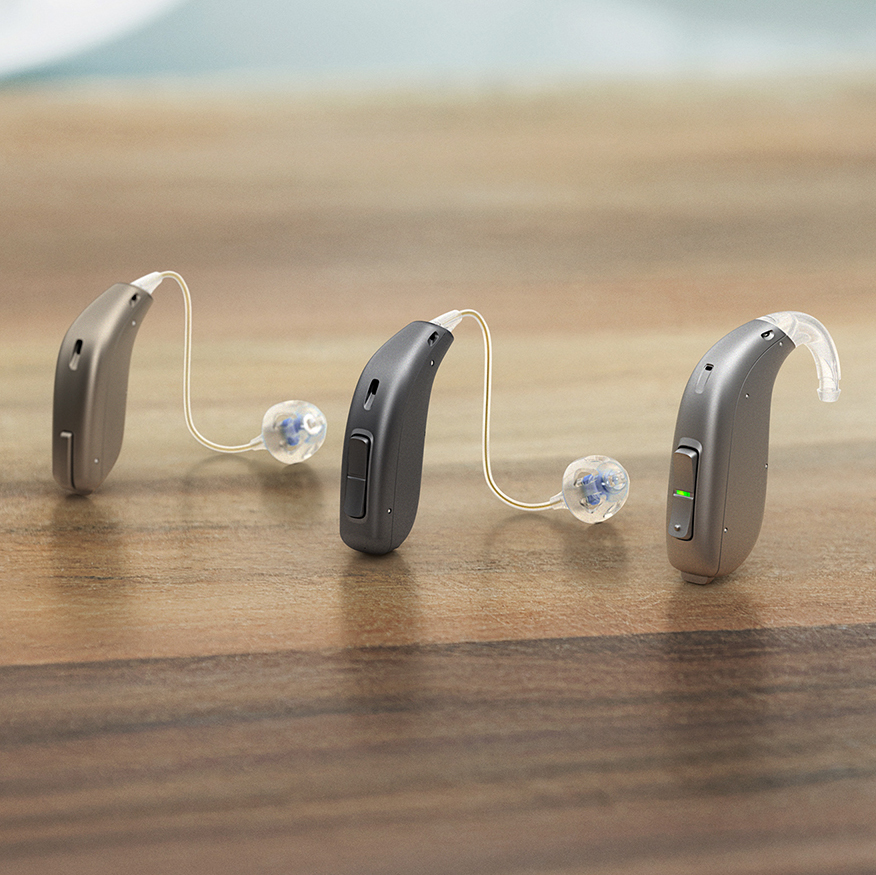
BTE hearing aids are worn behind the ear and are connected to an earmold or ear tip that fits inside the ear canal. These hearing aids are often recommended for individuals with mild to profound hearing loss. They are highly durable and offer excellent sound amplification.

Pros:

  • Suitable for all levels of hearing loss, from mild to profound.
  • Powerful and durable, with a longer battery life.
  • Available in a wide range of styles and features.

Cons:

  • More visible than other types of hearing aids.
  • May feel bulky to some users.

2. Receiver-in-the-Canal (RIC) Hearing Aids

RIC hearing aids are similar to BTE hearing aids, but they feature a small receiver placed inside the ear canal instead of an earmold. The receiver is connected to the device behind the ear with a thin wire, making it more discreet than traditional BTE models.

Pros:

  • Smaller and less noticeable than BTE models.
  • Provides natural sound quality and comfort.
  • Suitable for individuals with mild to severe hearing loss.

Cons:

  • May require more frequent cleaning to prevent earwax buildup in the receiver.
  • Not ideal for individuals with profound hearing loss.

3. In-the-Ear (ITE) Hearing Aids

ITE hearing aids are custom-made to fit the outer ear and are often used by individuals with mild to severe hearing loss. These hearing aids house all the components in a single unit that sits inside the ear.

Pros:

  • Custom-fit for added comfort.
  • Easy to use and adjust.
  • Suitable for a wide range of hearing losses.

Cons:

  • More visible than other types of hearing aids.
  • May require regular maintenance and cleaning.

4. In-the-Canal (ITC) and Completely-in-the-Canal (CIC) Hearing Aids

ITC and CIC hearing aids are designed to fit inside the ear canal, offering a more discreet option for people with mild to moderate hearing loss. These hearing aids are custom-made to fit the individual’s ear shape.

Pros:

  • Extremely discreet and comfortable.
  • Ideal for people with mild to moderate hearing loss.

Cons:

  • Limited amplification for severe hearing loss.
  • Can be difficult to handle or adjust due to their small size.

5. Implantable Hearing Aids

Implantable hearing aids, such as Bone-Anchored Hearing Aids (BAHA), are surgically implanted in the bone behind the ear. These devices bypass the outer and middle ear, directly stimulating the inner ear through bone conduction. Implantable hearing aids are typically recommended for individuals with severe hearing loss who are not candidates for traditional hearing aids.

Pros:

  • Effective for individuals with severe or profound hearing loss.
  • Bypasses outer and middle ear components.

Cons:

  • Requires surgery for implantation.
  • May not be suitable for all individuals.

Key Features and Advancements in Hearing Aid Technology

Modern hearing aids are equipped with a range of advanced features that make them more effective, comfortable, and user-friendly. Some of the key features include:

  1. Noise Reduction: Advanced hearing aids have noise reduction systems that minimize background noise, making it easier for users to focus on speech and important sounds in noisy environments.

  2. Directional Microphones: Directional microphones allow the hearing aid to focus on sounds coming from a specific direction, such as a person speaking in front of the wearer. This feature helps improve speech understanding in crowded or noisy settings.

  3. Feedback Cancellation: Feedback, which causes a high-pitched whistling sound, is a common issue with hearing aids. Many modern devices have feedback cancellation technology that eliminates this problem, providing a more comfortable listening experience.

  4. Wireless Connectivity: Bluetooth-enabled hearing aids can connect to smartphones, TVs, and other devices, allowing users to stream audio directly to their hearing aids. This feature enhances the listening experience for activities like phone calls, watching TV, or listening to music.

  5. Rechargeable Batteries: Rechargeable hearing aids eliminate the need for disposable batteries. Users can simply charge their hearing aids overnight, making them more convenient and environmentally friendly.

  6. Telecoil Technology: Some hearing aids are equipped with a telecoil, which allows users to connect directly to hearing loop systems in public places like theaters, churches, and airports. This feature improves sound quality and reduces interference from background noise.

Benefits of Wearing Hearing Aids

Wearing hearing aids can offer a wide range of benefits, including:

  1. Improved Communication: The primary benefit of hearing aids is improved communication. By amplifying sounds and making speech clearer, hearing aids help users engage in conversations, even in noisy environments.

  2. Enhanced Quality of Life: Hearing aids improve the overall quality of life by enabling individuals to participate in social activities, attend events, and enjoy conversations with family and friends.

  3. Reduced Social Isolation: Untreated hearing loss can lead to social withdrawal, as individuals may avoid situations where they struggle to hear. Hearing aids help reduce social isolation by making communication easier and more enjoyable.

  4. Better Cognitive Health: Studies have shown that untreated hearing loss can contribute to cognitive decline and dementia. By improving hearing, hearing aids may help protect cognitive function and reduce the risk of mental health issues.

  5. Increased Independence: With better hearing, individuals are able to navigate the world more safely and independently. Hearing aids allow users to hear important sounds, such as alarms, traffic, or a phone ringing, which are vital for safety.

Oticon: Leading the Way in Hearing Aid Innovation

Oticon is one of the most well-known and respected brands in the hearing aid industry. The company is committed to improving the lives of individuals with hearing loss through innovative technology and user-friendly designs.

Oticon’s hearing aids are designed with cutting-edge features such as BrainHearing™ technology, which enhances the brain's ability to process sound. This advanced technology enables users to hear more naturally, without the stress and strain that often accompanies hearing loss. Oticon also offers wireless connectivity, noise reduction, and rechargeable battery options, all aimed at providing the best possible hearing experience.

Conclusion

Hearing aids are an essential tool for individuals with hearing loss, helping them regain their ability to communicate and engage with the world. By amplifying and processing sound, hearing aids provide clarity and comfort for users, enabling them to lead more independent, connected lives.

With the latest advancements in hearing aid technology, these devices have become more effective, discreet, and user-friendly than ever before. Whether you’re experiencing mild hearing loss or profound impairment, there is a hearing aid solution to suit your needs.

If you or a loved one is struggling with hearing loss, seeking guidance from a hearing healthcare professional can help you find the best hearing aid for your situation. With the right hearing aid, you can enjoy improved communication, better quality of life, and a brighter, more connected future.