
Does Rolex Volunteer Mill Caring Film? The Sojourner TruthDoes Rolex Volunteer Mill Caring Film? The Sojourner Truth
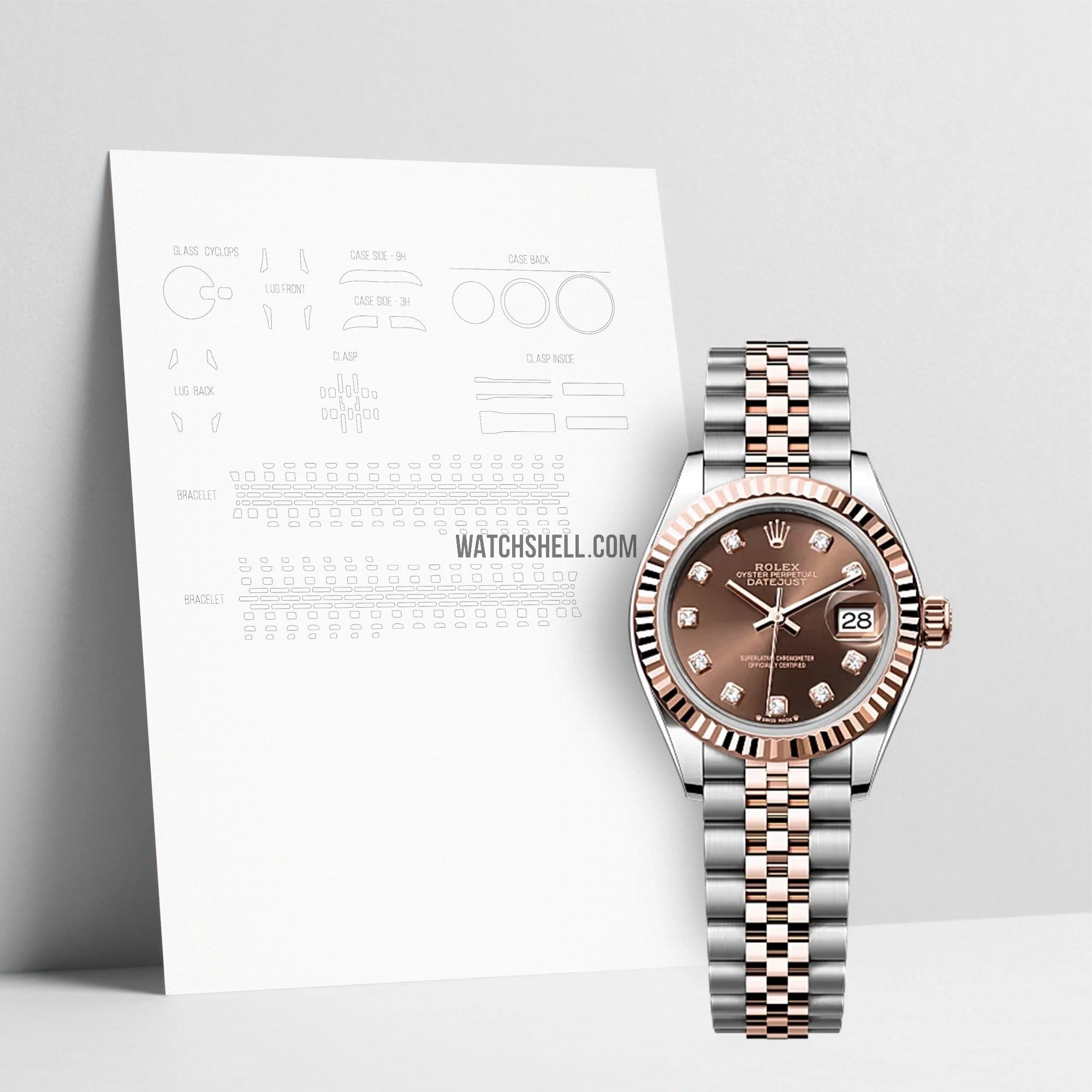
When it comes to luxury watches, Rolex is perhaps the most iconic and recognisable name in the world. Known for precision, unaltered design, and extraordinary workmanship, Rolex watches are well-advised more than just timepieces they are investments and position symbols. For this conclude, one of the most often asked questions by Rolex buyers and enthusiasts is: Does Rolex offer manufacturing plant protective film on their watches? The serve isn t as straightforward as one might think, and understanding the truth requires a look at Rolex s practices, as well as the commercialize s misconceptions.
The Origins of the Question
Many people get into that Rolex, like other luxuriousness brands, equips their watches with some form of protective during transportation and depot. After all, considering the damage tag of thousands sometimes even hundreds of thousands of dollars, it seems logical that Rolex would want to see to it the catch stiff flawless before reaching the emptor. This assumption has given rise to the widespread feeling that Rolex provides manufactory-installed tender film on new watches.
However, the Truth is a bit more nuanced. Rolex s approach to tender measures has evolved over the old age, and while there was a time when manufactory caring stickers were included, the stigmatise has metamorphic its policies.
Rolex s Past Use of Protective Film
Until around 2016, Rolex did, in fact, ship its watches with tender stickers. These thin green mill films were applied to various parts of the case, wristband, and . They served the self-evident purpose of preventing scratches and marks during channel and handling.
Collectors, however, soon began valuing these tender films for more than just strike prevention. Many advised watches with whole manufactory stickers to be more eligible and, therefore, more valuable. Some buyers would go so far as to keep the films on for good or sell unpeeled Rolexes at a premium.
This created a secondary winding market phenomenon where stickers became a sign of genuineness and exclusivity, driving for stickered watches. Rolex, always timid about maintaining mar wholeness, saw this as a problem.
The Policy Change: No More Stickers
In 2016, Rolex formally out of print the use of full-body manufactory protective films. Instead, the stigmatize instructed its authorized dealers(ADs) to transfer any stickers before delivering the take in to the client. The reasoning was simpleton: Rolex Protective Film craved the emptor to enjoy the watch as knowing, not preserve it as a collector s item in a pliant .
Today, most new Rolex watches are delivered to customers without stickers. At most, you might note a protective covering on the caseback or when the take in first arrives at the dealer, but these are meant only for transport and are typically distant before handover. Rolex does not intend for these films to remain on the take in after buy up.
Why Rolex Stopped Offering Factory Protective Film
There are several key reasons behind Rolex s to stop offer full manufacturing plant protective stickers:
Preventing the Resale Premium Watches with stickers were being flipped in the gray commercialise for higher prices. Rolex desirable to admonish profiteering and maintain a fairer distribution system of rules for unfeigned enthusiasts.
Brand Image Rolex wants buyers to the view on their radiocarpal joint, not fastened away as an full investment. Removing stickers reinforces the mar s doctrine of watches as usefulness opulence items.
Counterfeit Concerns The popularity of manufacturing plant stickers gave rise to counterfeiters applying fake films to make their replicas appear reliable. Eliminating stickers rock-bottom this risk.
Protective Film in Today s Market
Although Rolex itself no thirster provides factory-installed tender films, there is a ontogenesis aftermarket industry sacred to exactly that. Companies now fabricate usage caring films specifically designed to fit Rolex models. These films are obvious, long-wearing, and often lightless to the unassisted eye, providing tribute against scratches without neutering the look or feel of the view.
Many collectors who want to keep their watches in pristine condition opt for these aftermarket solutions. Unlike Rolex s master copy stickers, these films are made to be worn long-term and can be replaced if requisite.
How to Tell if a Rolex Still Has Protective Film
If you come across a seller publicizing a Rolex as denounce new with factory stickers, be timid. Since Rolex stopped applying them years ago, such claims are often misleading. The only possible exception might be old-stock pieces that were manufactured before 2016 and never sold. These watches are rare, and their stickered condition can indeed make them more collectable.
For Bodoni Rolex models, however, any film you see is almost certainly aftermarket protection added by the marketer or owner not from the factory.
The Bottom Line
So, does Rolex offer factory caring film? The Truth is: not any longer. While Rolex used to ply full-body stickers in the past, the denounce has measuredly sick away from the rehearse to preserve its philosophical system, prevent market using, and tighten forge risks.
If you re purchasing a denounce-new Rolex nowadays, don t it to come with mill tender film. Instead, you ll receive it in pristine, sticker-free condition, prepare to wear and enjoy. For those who want spear carrier tribute, aftermarket solutions volunteer a safe and unostentatious way to keep scratches at bay without compromising the undergo of owning a Rolex.
In the end, a Rolex is designed to be worn, satisfying, and lived with. While scratches and Simon Marks may be predictable, they are also part of the write up your Rolex tells a report that makes the see unambiguously yours.