
Drilling Rigs Explained Land vs Offshore DifferencesDrilling Rigs Explained Land vs Offshore Differences
The oil and gas industry relies heavily on specialized equipment to extract valuable resources from beneath the Earth's surface. Among the most critical pieces of equipment are drilling rigs, which come in various types and configurations depending on their working environment and specific applications. This article provides a comprehensive overview of the different types of drilling rigs used in the industry, focusing on the key differences between land-based and offshore operations.
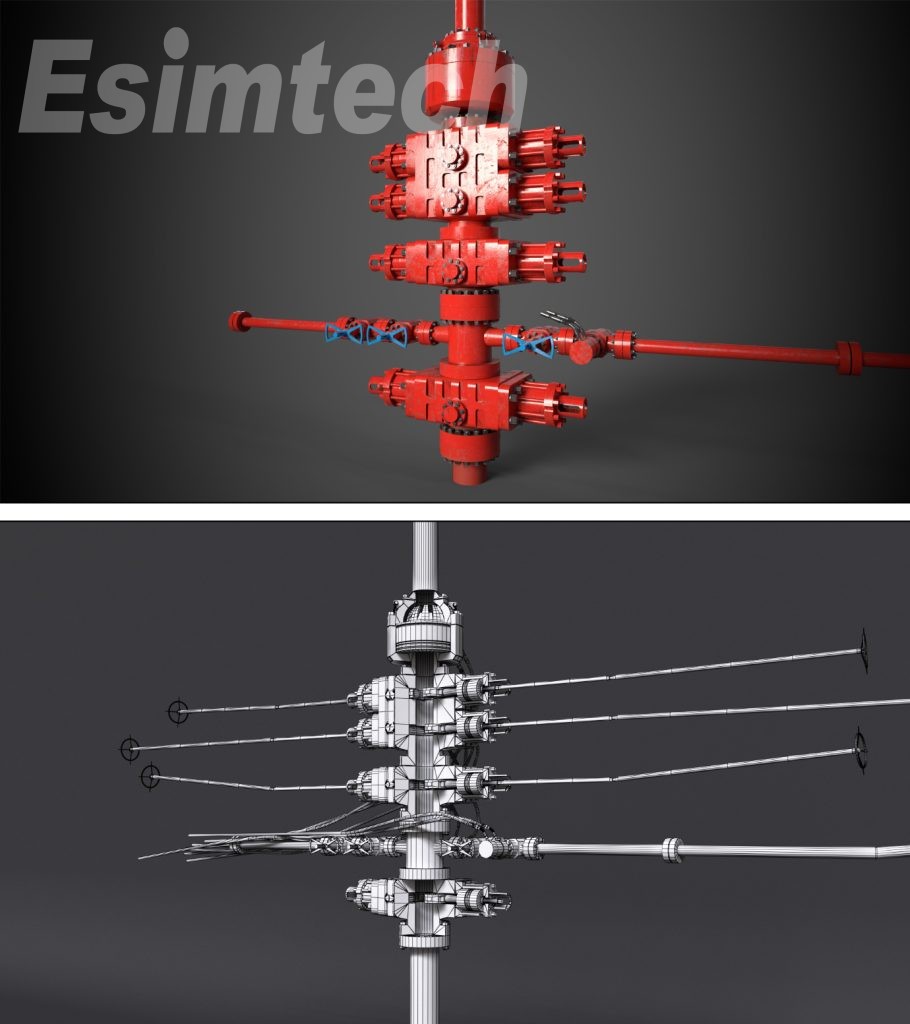
LAND DRILLING RIGS
Land rigs are the most common type of drilling equipment used for onshore operations. These rigs are designed to work on solid ground and come in various sizes and configurations depending on the depth requirements and geological conditions of the drilling site. Some land rigs are mounted on trucks, making them highly mobile and easy to transport between locations, while others are more permanent structures built specifically for long-term projects.
All land rigs share similar basic components and functions: they rotate the drill bit and facilitate the drilling process. The primary differences between various land rigs include their horsepower capacity, maximum drilling depth capabilities, and the size of their derrick (the tall structure that supports the drill string). Higher horsepower rigs can handle greater weight at the surface, while rigs designed for deeper drilling can accommodate more drill pipe and casing. Modern oil rig simulators are now commonly used to train personnel on these complex systems before they operate actual equipment in the field.
Did you know? Some advanced land rigs can handle three joints of drill pipe simultaneously, significantly improving operational efficiency compared to rigs that can only handle one or two joints at a time.
| RIG TYPE | TYPICAL DEPTH RANGE | MOBILITY | COMMON APPLICATIONS |
|---|---|---|---|
| Light Duty | Up to 3,000 feet | Highly mobile | Shallow wells, water wells |
| Medium Duty | 3,000-10,000 feet | Moderately mobile | Conventional oil/gas wells |
| Heavy Duty | 10,000-25,000 feet | Limited mobility | Deep gas wells, complex formations |
| Super Heavy Duty | 25,000+ feet | Site-specific | Ultra-deep exploration |
OFFSHORE DRILLING RIGS
Offshore rigs represent some of the most sophisticated and expensive equipment in the oil and gas industry. These rigs are designed to operate in marine environments, ranging from shallow coastal waters to ultra-deep ocean locations. The two main categories of offshore rigs are fixed-platform rigs and floating rigs, each with distinct characteristics and operational parameters.
Fixed-platform rigs include jack-up rigs, which have extendable legs that can be lowered to the seafloor to elevate the drilling platform above water level. These rigs are typically used in water depths up to 400 feet. Floating rigs, which include semi-submersibles and drill ships, can operate in much deeper waters, with some capable of drilling in depths exceeding 10,000 feet. The use of advanced oil rig simulators has become increasingly important for training crews to operate these complex floating systems safely and efficiently.
JACK-UP RIGS
Jack-up rigs are among the most common offshore drilling platforms used in relatively shallow waters. These rigs are towed to location while floating on their hulls with their legs elevated out of the water. Once positioned, the legs are lowered until they make contact with the seafloor, and the entire platform is then "jacked up" above the expected wave height to provide a stable working surface.
These rigs typically feature three or four legs, depending on their design. The legs must be long enough to reach the seafloor while keeping the platform sufficiently above water level. Jack-up rigs are limited to water depths of about 400 feet due to practical constraints on leg length and stability requirements. Their relatively simple design makes them cost-effective for many offshore drilling operations in moderate water depths.
"The development of modern jack-up rigs has revolutionized shallow-water offshore drilling, providing stable platforms that can be quickly moved between locations as needed."
FLOATING RIGS
Floating rigs are essential for drilling operations in deepwater environments where fixed platforms are impractical. These rigs maintain their position either through mooring systems or dynamic positioning (DP) technology that uses thrusters to counteract wind, waves, and currents. There are two primary types of floating rigs: semi-submersibles and drill ships, each with unique advantages for different operational scenarios.
Semi-submersible rigs feature pontoons that are partially submerged to provide stability in rough sea conditions. They can operate in water depths ranging from 500 to 10,000 feet with special equipment. Drill ships, which resemble conventional ships with a moonpool for drilling operations, are self-propelled and can carry large amounts of equipment, making them ideal for exploration in remote locations. Some drill ships can operate in water depths up to 12,000 feet. The complexity of these floating systems makes oil rig simulators particularly valuable for training purposes.
Understanding the different types of drilling rigs and their applications is essential for anyone involved in the oil and gas industry. From compact truck-mounted land rigs to massive deepwater drill ships, each type of rig serves specific purposes based on environmental conditions and project requirements. As technology advances, drilling operations continue to become more efficient and capable of reaching previously inaccessible reserves. The industry's ongoing development of sophisticated training systems, including advanced simulators, ensures that personnel can safely operate these complex pieces of equipment in increasingly challenging environments.